Seven Oaks Boulevard: A History Lost to Greed
Seven Oaks Boulevard was named after the plantation that once sat along its route. From the beginning of the Louisiana colony to the First World War, this stately piece of land was home to many generations of Louisianians. Unfortunately, all that now remains of the Seven Oaks plantation are memorials enshrining its memory and the relics that lie buried on the property.
Text
Seven Oaks Boulevard is a section of State Highway 18, located between Bridge City and Westwego, Louisiana, within Jefferson Parish. This part of Highway 18 received its moniker in 2011, and it was named after the now-demolished Seven Oaks plantation home that once stood along its route. However, the site also became an unfortunate example of what happens when large businesses choose the cheaper and easier solution rather than understanding the value of a historical landmark.
During the early eighteenth century, across the Mississippi River from a newly formed New Orleans, there was an undeveloped tract of land that the French settlers called the Petit Desert or “Little Wilderness.” Since France established a decent foothold in Louisiana through New Orleans by 1720, it wanted to start developing the surrounding areas, including the Petit Desert. As the settlements and enterprises in the Petit Desert grew, a plantation was eventually established.
Camille Zeringue assumed ownership of the land in the early nineteenth century and was an enthusiastic and ambitious member of the planter aristocracy in Louisiana. By the 1840s, Zeringue had amassed enough wealth to commission the construction of a grand, Greek Revival-style mansion to house his family and assert his affluence, and he named it Seven Oaks. The plantation flourished for many years, but the start of the Civil War marked the beginning of the end for the family’s legacy.
Due to its location near New Orleans, the Zeringue plantation was occupied by Confederate troops to fortify the area, but it soon came under the Union's control. By the 1860s, Zeringue’s agricultural empire was devastated on top of the family’s personal losses. Camille Zeringue survived the war, but only one of his three sons returned home alive.
After the Zeringues left the property, entrepreneur Pablo Sala bought the plantation in the early 1890s. Sala saw potential in the old property, so he refurbished it into an attraction and resort, which he named “Colombia Gardens.” Visitors to the property would travel from New Orleans via steamboat until they reached the grounds where they could enjoy the well-kept gardens. The site continued to attract visitors until it closed in the late 19th century and eventually arrived in the possession of the Missouri and Pacific Railroad Company.
The company rented out the mansion for large families to live on and maintain the property. However, when World War I began, the Seven Oaks plantation mansion became barracks for the U.S. military. After the war, the mansion was once again rented out to several families as a private residence until the property was vacated in 1957.
The railroad company left the property to deteriorate until 1975 when the Westwego city attorney pressured them to either repair the building or demolish it. After hearing that the railroad filed for a demolition permit, many preservationists and grassroots movements were mobilized to save the historic mansion from destruction. Unfortunately, these efforts fell upon deaf ears. In the fall of 1976, the Westwego council voted for the railroad company. The demolition of the Seven Oaks plantation mansion occurred the following year, leaving nothing of the old house behind.
Now, the land that once held this historical building continues to be unused and fenced off. Even though the mansion no longer exists, there are still markers commemorating its memory, and the road that the site rests near continues to bear its name to hopefully remind future generations of what has been lost and why history should be preserved.
Files
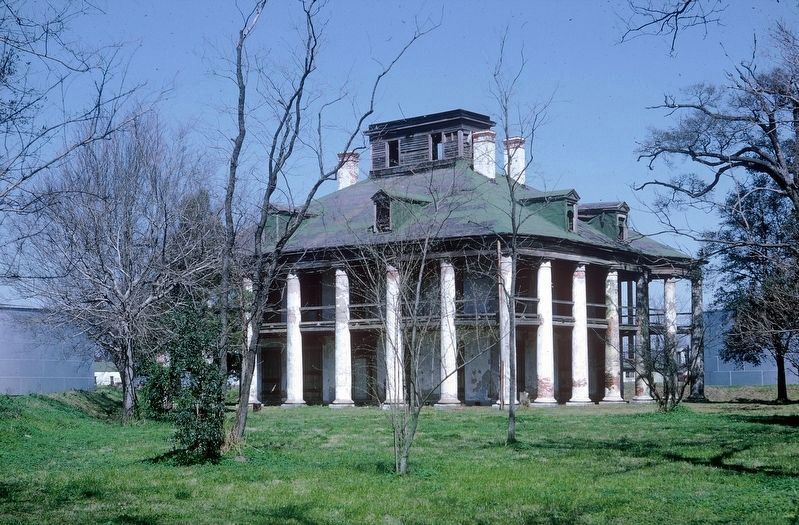
Seven Oaks Mansion - circa 1965
The Seven Oaks Mansion as it stood in 1965. It was in good enough condition to be easily restored at this time. | Source: https://www.hmdb.org/m.asp?m=81062 | Date: 1965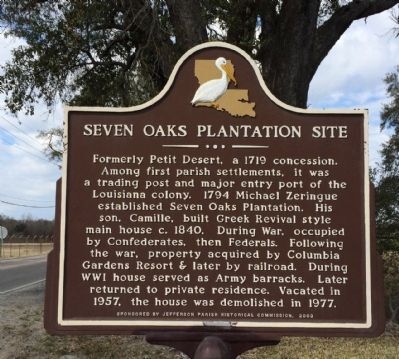
Seven Oaks Plantation Site Marker
This marker stands near the land where the mansion once stood and Seven Oaks Boulevard. | Source: https://www.hmdb.org/m.asp?m=81062 | Date: February 20, 2015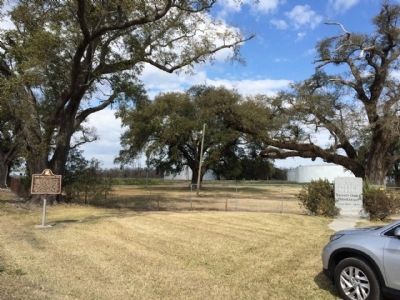
Former Seven Oaks Plantation Site
This picture shows the current state of the Seven Oaks Plantation site. | Source: https://www.hmdb.org/m.asp?m=81062 | Date: February 20, 2015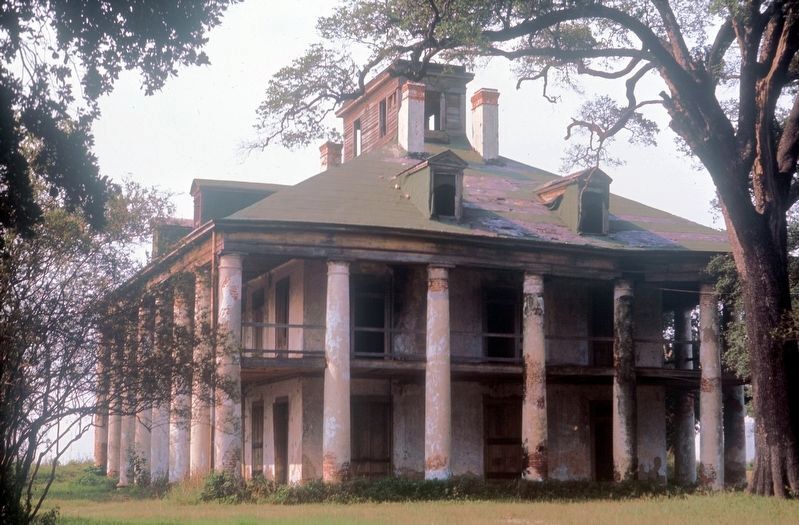
Seven Oaks Plantation at Sunset - circa 1965
Another picture of the mansion in 1965. The deterioration of the house is more visible in this image. | Source: https://www.hmdb.org/m.asp?m=81062 | Date: 1965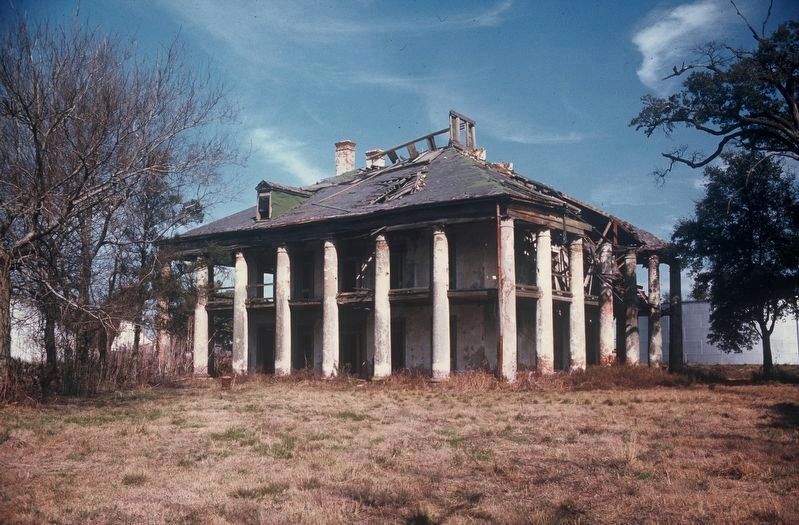
Seven Oaks Plantation - circa 1967
The Seven Oaks mansion in 1967. At this point, the mansion's roof was heavily damaged by hurricanes and began to cave in. | Source: https://www.hmdb.org/m.asp?m=81062 | Date: 1967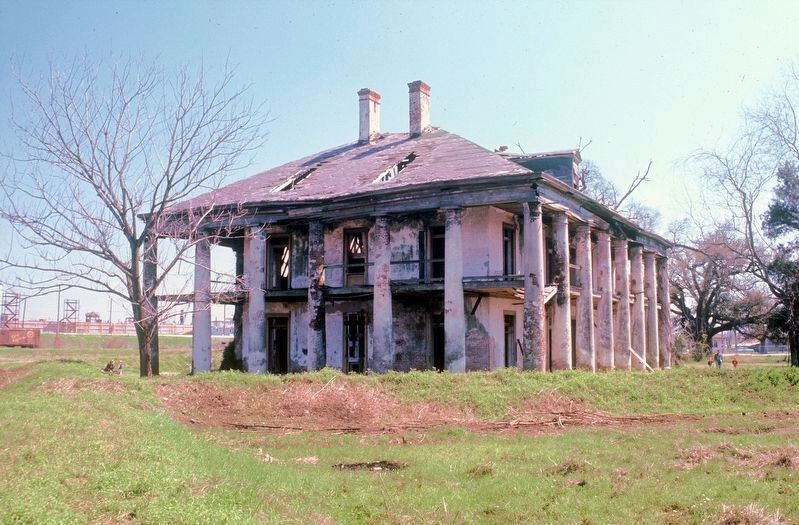
Seven Oaks Plantation - circa 1969
The mansion as it stood in 1969. | Source: https://www.hmdb.org/m.asp?m=81062 | Date: 1969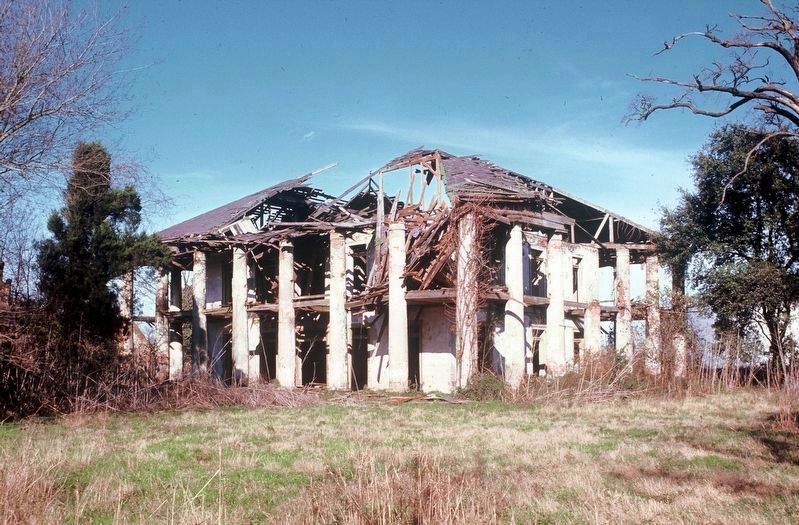
Seven Oaks Mansion - circa 1971
Seven Oaks as it appeared in 1971. At this point, the mansion's roof had completely caved in. | Source: https://www.hmdb.org/m.asp?m=81062 | Date: 1971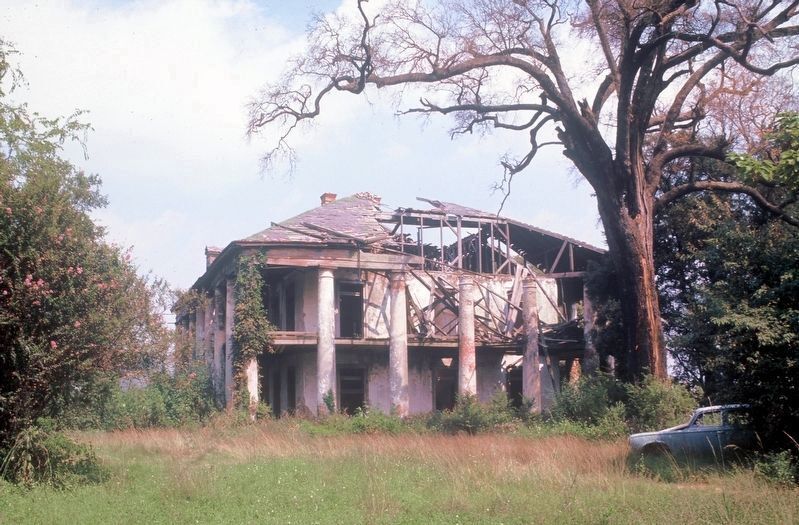
Seven Oaks Plantation - circa 1972
The mansion as it appeared in 1972. This image clearly shows the building's collapsed roof and exposed pillars. | Source: https://www.hmdb.org/m.asp?m=81062 | Date: 1972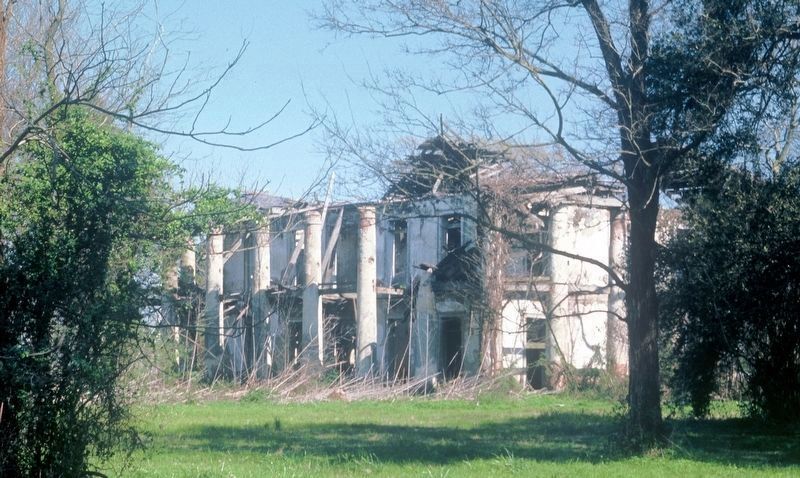
Seven Oaks Mansion - circa 1973
Seven Oaks mansion four years before its demolition in 1977. | Source: https://www.hmdb.org/m.asp?m=81062 | Date: 1973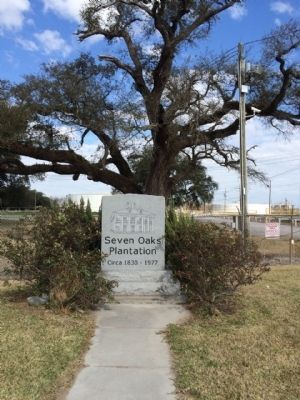
Seven Oaks Plantation Site Memorial
This picture depicts a stone memorial near the site, which details the dates the Mansion stood. | Source: https://www.hmdb.org/m.asp?m=81062 | Date: February 20, 2015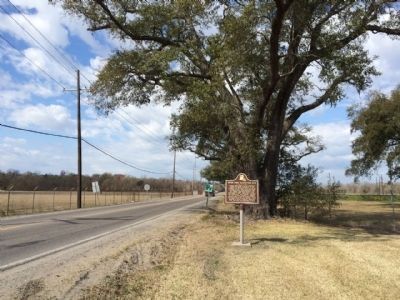
A View of Seven Oaks Boulevard
This image depicts Seven Oaks Boulevard and the historical marker that stands near the plantation site. | Source: https://www.hmdb.org/m.asp?m=81062 | Date: February 20, 2015