Nolan's Trace: A Good Horse is Worth an Earful
This is the story of Phillip Nolan- a horse wrangler who explored the Texas frontier, received a letter from Thomas Jefferson, and incurred the wrath of not one, but three Spanish Governors.
Text
Nolan’s Trace is a memorial highway spanning from the edge of Vernon Parish at the border of Texas stretching all the way to the heart of Rapides Parish. West of Leesville, Nolan’s Trace begins at the Sabine River and continues as LA Highway 8. East of Leesville, Nolan’s Trace is a part of LA Highway 28 and runs eastward until reaching Alexandria. An old trail dating back to the 1790s, Nolan’s Trace initially began as a route used by Phillip Nolan to bring horses from Texas to Natchez and New Orleans. This pioneer from the early history of the American frontier had much success, but political tensions would bring his journeys to a brutal end. The legendary story of Phillip Nolan would become immortalized in the trail named after him, and Nolan’s Trace would forever be a testament to the daring American spirit.
Born in Belfast, Ireland in 1771 to Peter and Elizabeth (Cassidy) Nolan, Phillip Nolan would receive an education before immigrating to Kentucky. By 1788, Nolan was living with and working for General James Wilkinson, handling his business affairs in New Orleans. In 1791, Nolan would be granted a passport from the Governor of Spanish Louisiana, Esteban Rodríguez Miró, to trade in the then Spanish territory of Texas, but would have his possessions taken from him. This forced him to live for two years with native Indians. When he did return to New Orleans in 1793, it was with fifty mustangs. By then, the new Governor of Spanish Louisiana, Louis Héctor, dubbed him a person “risen from the dead”. Between the summer of 1794 and the end of 1795, Phillip Nolan had journeyed to Nacogdoches, Texas and back again to Natchez. This time, he returned with 250 horses.
In 1797, Phillip mapped out territories along the Missouri river and returned to Natchez with the US Boundary Commissioner, Andrew Ellicott. In the summer of the same year, Nolan left for Texas again with supplies to trade, even though it was illegal to trade between Louisiana and Texas. In 1798, Phillip Nolan received a letter from none other than Thomas Jefferson. Jefferson wanted to meet with Nolan to discuss his career in aquiring horses, and his exploration of the Texas frontier. He managed to return back to Louisiana in 1799 with 1200 horses, after a lengthy stay. By this point, Nolan’s dealing with native Indians, his American loyalties, and his lack of respect for Spanish law had incurred the wrath of Spanish officials. The new Spanish Governor of Louisiana at the time, Manuel Gayoso de Lemos, wrote of him as a "dangerous enemy to Spain".
In October of 1800, Nolan would lead a party of well armed men north of Nacogdoches (near present day Waco) and began corralling horses. On March 22, 1801, Spanish troops under commander Miguel Francisco Músquiz would attack Nolan’s camp. The defenders would return fire but Nolan would be shot in the head within the first minutes of the conflict. Nolan’s party would surrender soon afterwards and would be imprisoned for years. Nolan’s ears would be cut off by sword and sent to the Spanish Governor in Chihuahua.
Though Phillip Nolan died young, his legacy was impactful. He is often credited as the first Anglo-American to map Texas. Although his map has never been found, his findings were given to General James Wilkinson who did create a map of the Texas area around 1804. What’s more is that Phillip Nolan would only be one of the first of the American filibusters who would contribute to flipping Spanish territory and ultimately help Texas become a part of the United States. Phillip Nolan's story has in many ways contributed to Vernon Parish's title as "Louisiana's Legend Country".Files
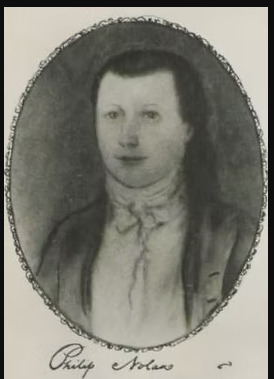
Philip Nolan
A miniature depicting Philip Nolan | Source: https://www.kopperl.org/file-share/4754462f-7d5c-4dc7-a7d1-1bd74a38d722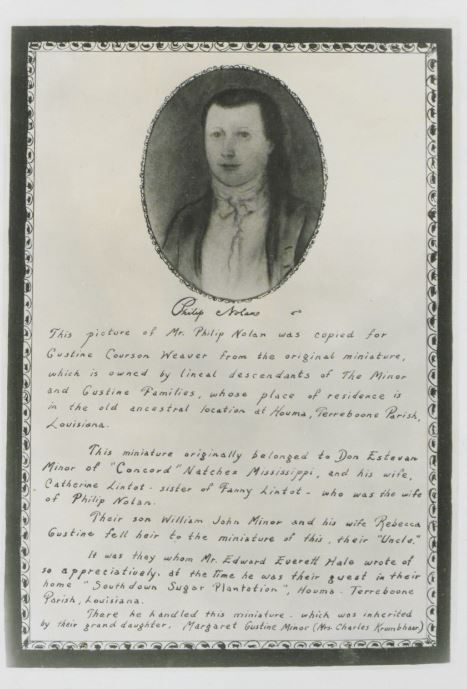
The Philip Nolan Miniature with History
The miniature of Philip Nolan with a history of the portrait. | Source: https://www.kopperl.org/file-share/4754462f-7d5c-4dc7-a7d1-1bd74a38d722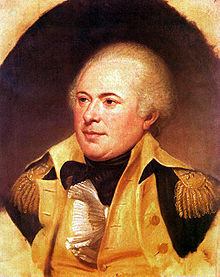
General James Wilkinson
A portrait of General James Wilkinson, friend and benefactor of Philip Nolan. | Source: https://en.wikipedia.org/wiki/James_Wilkinson#/media/File:James_Wilkinson.jpg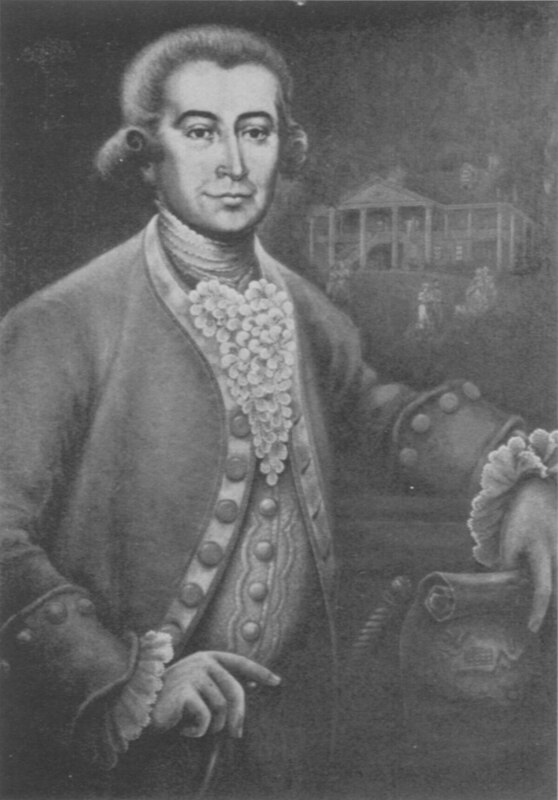
Spanish Governor Manuel Gayoso de Lemos
A posthumous portrait of the Spanish Governor of Louisiana who wrote to others concerning Nolan's danger to Spanish rule. | Source: https://en.wikipedia.org/wiki/Manuel_Gayoso_de_Lemos#/media/File:Manuel-gayoso-de-lemos-governor-of-natchez.jpg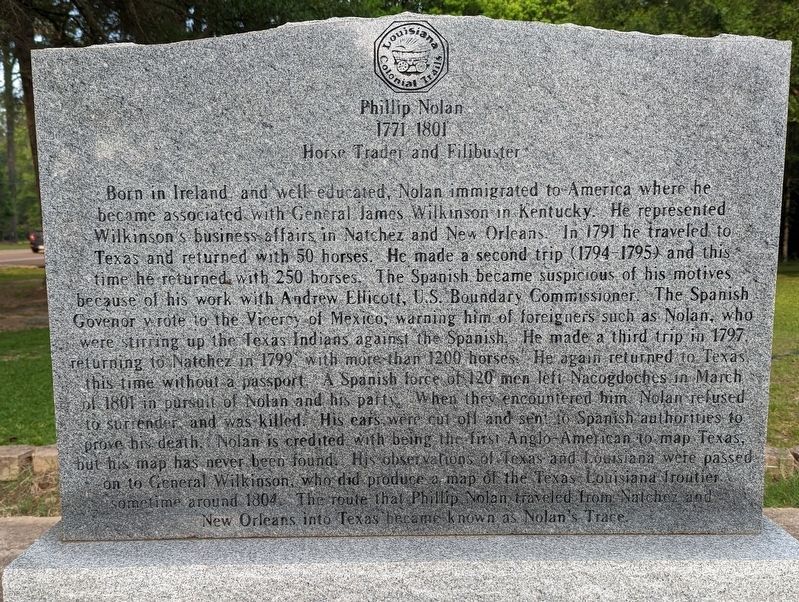
Philip Nolan Marker
A marker detailing the history of Philip Nolan and Nolan's Trace at the Vernon Parish Library in Leesville, LA. | Source: https://www.hmdb.org/m.asp?m=224366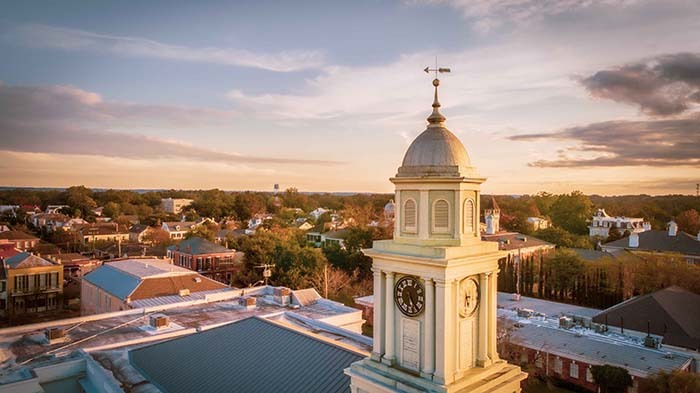
Present Day Downtown Natchez
A skyline view of present day Natchez. Philip Nolan's base of operations and his destination to sell mustangs. | Source: https://www.natcheztracetravel.com/natchez-trace-mississippi/lorman-natchez-ms/natchez-mississippi/404-downtown-natchez.html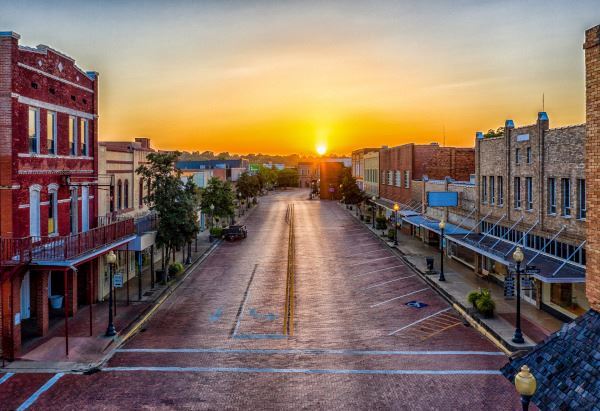
Main Street of Nacogdoches
A present day view of the main street of Nacogdoches. Near where Philip Nolan caught mustangs in Texas. | Source: https://www.nactx.us/729/Main-Street
File #1964: [Untitled]
Map
31.298825604298823, -92.4832251065389 for the easter edge of Nolan's Trace where LA Hwy 28 goes into Alexandria.