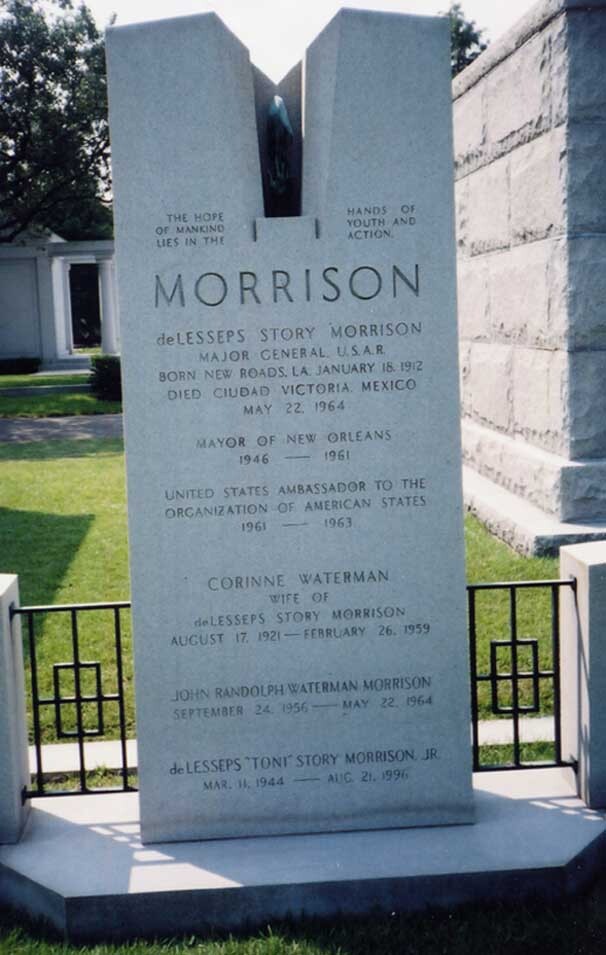
Legacy beyond the Name: The Life and Vision of deLesseps "Toni" Morrison Jr.
In New Orleans, the Morrison name once stood for power, reform, and possibility. But deLesseps Morrison Jr. chose a different path, one that moved beyond City Hall and into the wider world of global trade, energy innovation, and new ideas for the city’s future.
Text
The story of DeLesseps Morrison Jr. begins in the shadow of one of New Orleans' most influential political families. Born in 1944, he grew up watching his father, deLesseps Story Morrison, reshape the city as mayor. Politics was part of daily life, and leadership was expected. For many, this would have meant following the same path. But Morrison Jr. had a wider vision.
Educated at Louisiana State University and trained in law, he quickly showed an interest in international affairs. His time studying abroad in Argentina gave him a global perspective that set him apart from many Louisiana politicians of his time. While others focused on local issues, he began thinking about how New Orleans could connect to the wider world through trade, language, and economic development.
In 1974, Morrison Jr. entered public office as a member of the Louisiana House of Representatives. During his time in the legislature, he supported policies to improve residents' everyday lives, including expanding access to health care. He also built a reputation as a forward-thinking leader who was not afraid to take on new challenges.
His political career reached a turning point in 1977 when he ran for mayor of New Orleans. The race marked a major shift in the city’s history, as Ernest "Dutch" Morial won the election and became the city’s first Black mayor. Morrison Jr.’s loss showed that the city was changing, prompting him to look beyond traditional politics.
After leaving elected office, he focused on business and innovation. He became deeply involved in promoting renewable energy, especially ethanol production, long before it became a national priority. He believed that Louisiana could lead in new industries if it was willing to take risks. Although his projects faced setbacks, they reflected his belief in progress and long-term growth.
Morrison Jr. also supported efforts to expand the city’s economy through industries like film production, helping lay the groundwork for what would later become a growing part of New Orleans’ economy. His ideas often came before their time, and not all of them succeeded, but they showed a willingness to think beyond the present.
He died in 1996 at the age of fifty-two, leaving behind a career that blended public service with global ambition. Today, his story reflects a different kind of leadership, one that looked past tradition and toward new possibilities for New Orleans.
Files
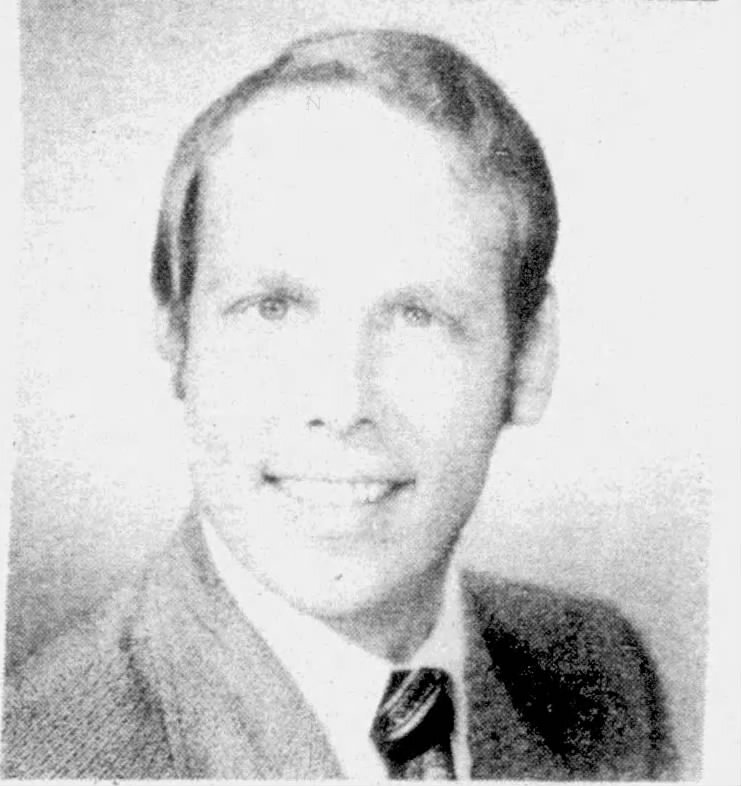
File #2299: [Untitled]
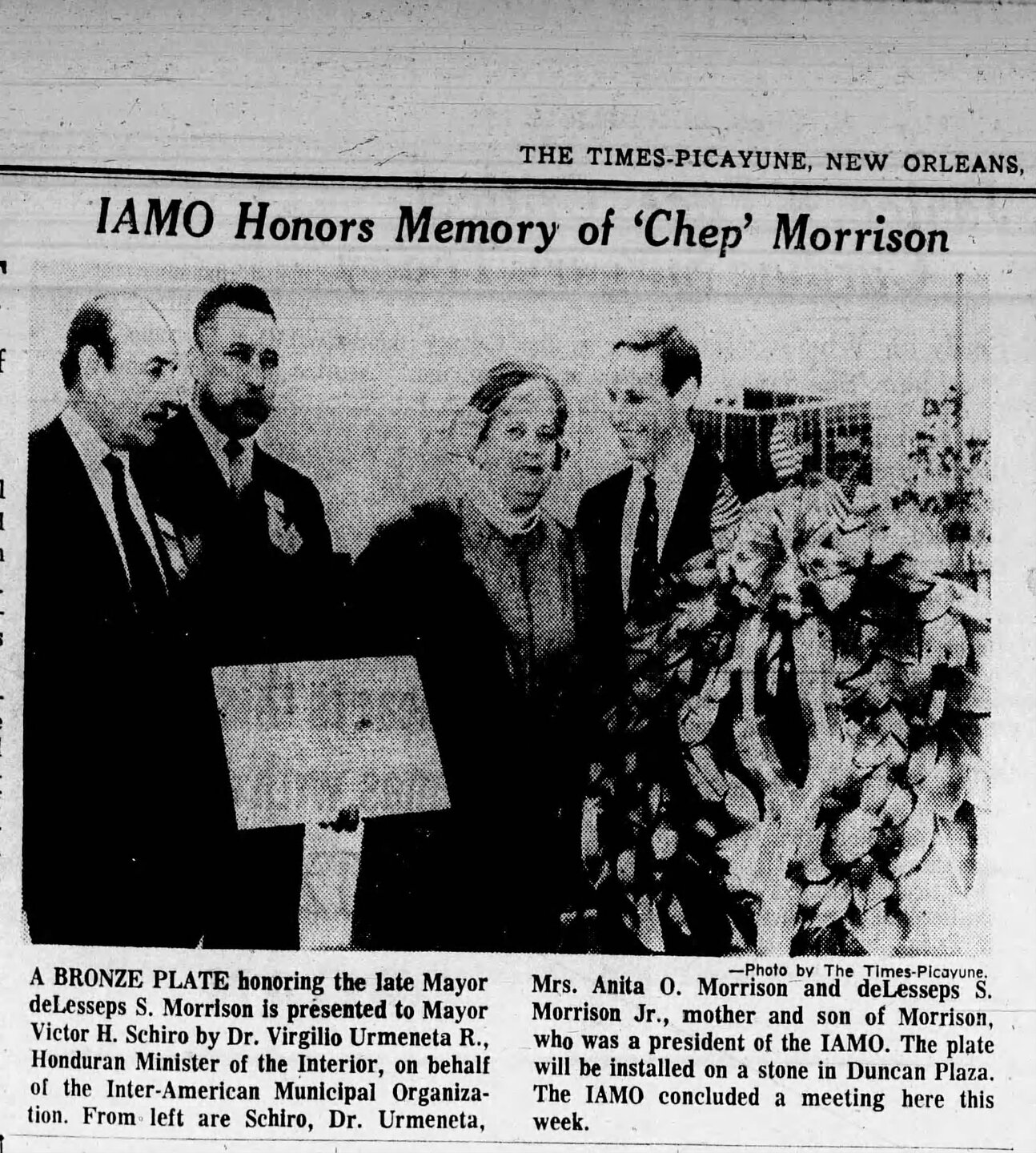
File #2352: [Untitled]
Toni and his mother honoring is late father. | Source: The Times-Picayune | Date: December 13, 1968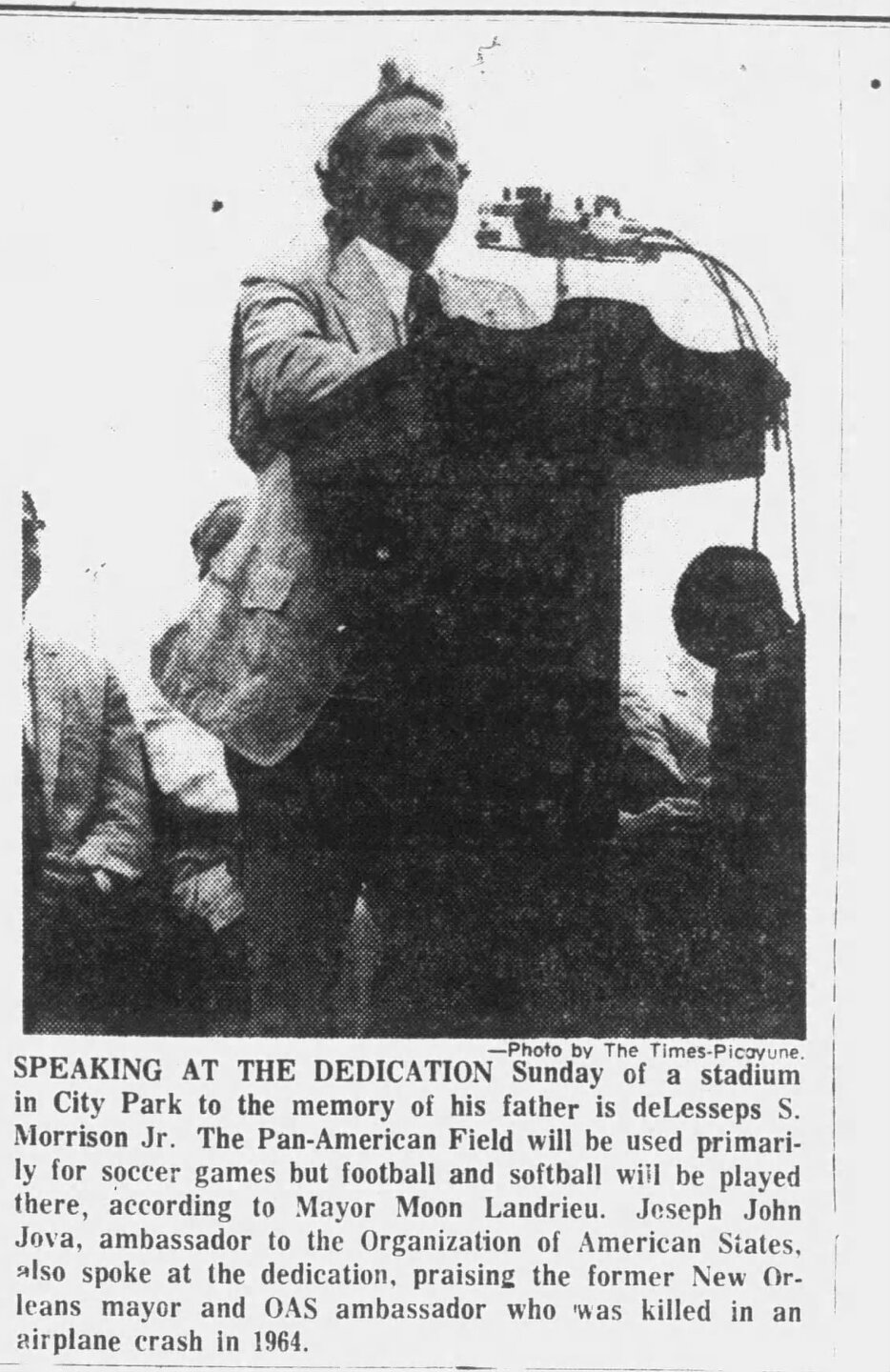
File #2353: [Untitled]
Toni speaking at his late father's dedication | Source: The Times-Picayune | Date: May 7, 1973